Area Rug Font: A Creative Typeface for Handmade Products
I sat at my cutting machine last weekend with a new candle label design open on my screen. The wax had been poured the night before, the jars were waiting, and all I needed was the perfect wordmark to tie it all together. I had tested five different typefaces that morning, but nothing felt right. Then I remembered a color font I had downloaded a few weeks earlier and set aside for the right project. I typed in my candle scent name, applied the style, and watched the letters fill with warmth and texture. That was the moment I realized Area Rug was going to become a staple in my shop workflow.
What Makes Area Rug Stand Out in a Crowd of Fonts
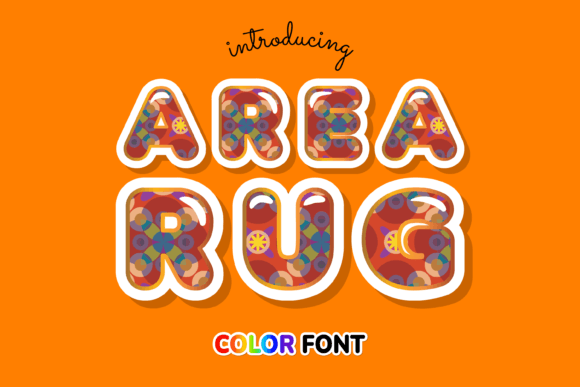
Area Rug is an incredibly cool color font that brings a handmade, lived-in feel to any design. It is not just another pretty typeface. It carries a visual personality that feels both playful and grounded, as if each letter was carefully drawn with a favorite marker on a cozy afternoon. The charm of this font lies in its ability to look intentional without feeling stiff. When I first saw it, I immediately thought of boutique packaging, farmhouse signs, and the kind of stationery you want to frame rather than toss. The mood is warm, approachable, and full of character, making it an amazing choice for anyone who wants their products to feel personal and memorable.
For crafters who work with color fonts, Area Rug offers a built-in richness that saves time during the design process. You do not need to layer multiple elements or apply complex shading effects. The font itself carries the visual weight, which means less time fiddling with software and more time making actual products. That efficiency matters when you are preparing listings for a holiday launch or printing labels for a custom order.
Using Area Rug for Handmade Labels, Stickers, and Packaging
One of the first places I tested Area Rug was on product labels. I design small-batch candle labels, and the font worked beautifully for scent names like "Vanilla Bean" and "Palo Santo Sage." The letters held their shape even at a smaller size, which is crucial when you are printing on a two-inch label. For sticker sheets, I used Area Rug for the main titles and paired it with a simple sans serif font for ingredient lists and care instructions. The contrast was clean and easy to read, and the stickers looked like they belonged in a high-end boutique.
If you make greeting cards, this font is a dream for the front message. I tested it on a birthday card that said "You Are My Favorite" and the texture of the typeface made the sentiment feel even warmer. For wedding stationery, Area Rug can handle names and dates beautifully, especially when you want a relaxed, intimate feel rather than something overly formal. I have seen it used on welcome boards, place cards, and even thank-you tags that accompany wedding favors. The key is to let the font shine on short phrases where each letter has room to be seen.
Digital Printables and Wall Art That Feel Finished
Printable wall art is another area where Area Rug excels. I created a set of farmhouse-style prints with quotes like "Gather" and "Bless This Home" and the font gave each piece an instant sense of texture and depth. Because it is a color font, the designs looked complete straight out of the file, with no extra styling required. That is a huge advantage when you are selling digital downloads, because customers want to see a product that looks ready to frame. Area Rug helps you deliver that polished look without spending hours on mockups.
Planner pages and digital templates also benefit from this typeface. I used it for section headers in a weekly planner printable, and it added a touch of personality without overwhelming the layout. The readability held up well in print, even on standard copy paper. For sticker lovers who create planner embellishments, Area Rug works nicely for word strips, date stickers, and motivational phrases. Just be mindful of the size small stickers with long words may lose some legibility, so stick with short expressions for the best effect.
Merchandise Ready for Mugs, Shirts, and Tote Bags
When I moved my designs onto physical merchandise, Area Rug continued to impress. I tested it on a tote bag design with the word "Cozy" in a soft cream tone, and the letters transferred cleanly with heat transfer vinyl. The font's natural thickness helped the design hold up after several washes, which is always a concern with fabric projects. For mugs, I used Area Rug for a small "Hello Sunshine" text near the rim, and the result looked like a hand-lettered detail that customers notice immediately.
Shirts are a bit trickier because you need the font to work at a larger scale without looking distorted. Area Rug handled that well. I made a simple crewneck sweatshirt with "Weekend Mode" across the chest, and the letters kept their charm even when enlarged. If you are using a cutting machine like Cricut or Silhouette, take a moment to test the font at different sizes before cutting. Some delicate areas may need a slight adjustment, but overall, the font pairs well with the weeding process.
Seasonal Craft Designs and Holiday Tags
Seasonal products are a big part of my shop, and Area Rug has become a go-to for holiday tags and packaging. I used it for Christmas gift tags that said "Merry" and "Joy," and the warm texture of the font made the tags feel more special than plain printed labels. For fall, I designed a set of thank-you tags for pumpkin spice themed orders, and the font gave them a cozy, rustic look that matched the product perfectly. Spring and summer designs also work well, especially for phrases like "Bloom" or "Hello Sunshine."
The font adapts to the season because its personality is warm without being too specific. You can dress it up with soft pastels for Easter or keep it neutral for year-round use. That versatility is valuable when you are managing inventory and want a typeface that works across multiple product lines.
Readability Tips for Cutting Machines and Small Labels
If you are using Area Rug with a cutting machine, there are a few things to keep in mind. The font has a natural thickness that usually weeds well, but very small sizes can cause the inner details to close up. I recommend testing at 0.5 inches or larger for stickers and labels. For print then cut projects, the color font feature means you can skip layering and let the machine do the work. Just make sure your software supports color fonts before you start, because not all programs display them correctly.
For printed cards and packaging, the font reads well at medium to large sizes. If you are adding a subtitle or secondary text, pair Area Rug with a clean sans serif like Montserrat or a simple serif like Lora. That contrast keeps the design balanced and easy to navigate. Avoid pairing it with another busy display font, because the two will compete for attention.
Font Pairing Ideas That Work Every Time
Over the past few months, I have tested several pairings with Area Rug, and a few stand out as reliable. A light handwritten font works beautifully for accent lines, especially on wedding invites or thank-you cards. A bold sans serif gives the design a modern edge, which is great for boutique tags or product packaging. If you prefer a classic look, a simple serif adds a touch of sophistication without taking away from the warmth of the main typeface. The goal is to let Area Rug lead the design while the secondary font supports the layout.
For logo design or shop branding, area rug can serve as the display element in your logo lockup, while a simpler font handles the business name or tagline. That combination creates a brand identity that feels both creative and professional.
Before You Sell Check Licensing and File Formats
Before you start using Area Rug for physical products, templates, or digital downloads, take a moment to review what is included in the font package. Check whether the license covers commercial use for merchandise, printables, and SVG style designs. Some color fonts include alternates, ligatures, or swashes that add extra value to your projects. Make sure your design software supports OpenType features if you want to access those extras.
Multilingual support is another factor to consider, especially if your shop serves international customers. Area Rug may include accented characters, which is helpful for product names or phrases in other languages. Also confirm the file formats available, because some cutting machines and print shops prefer specific formats like OTF or TTF. Knowing these details upfront saves you from surprises down the road.
Commercial font licensing matters for handmade sellers. If you plan to sell physical items like mugs, shirts, or tote bags with Area Rug on them, make sure your license explicitly covers that use. The same applies to digital products like printable wall art or template previews. A quick check of the licensing terms gives you peace of mind and keeps your shop compliant.
In the end, Area Rug is more than just a font. It is a tool that helps handmade sellers and crafters bring warmth and personality to every product they make. Whether you are designing candle labels, wedding invitations, seasonal tags, or digital downloads, this typeface delivers a look that customers notice and remember. That is the kind of quality that turns a simple product into something people want to share.