Hex Star: A Color Font That Elevates Digital Design
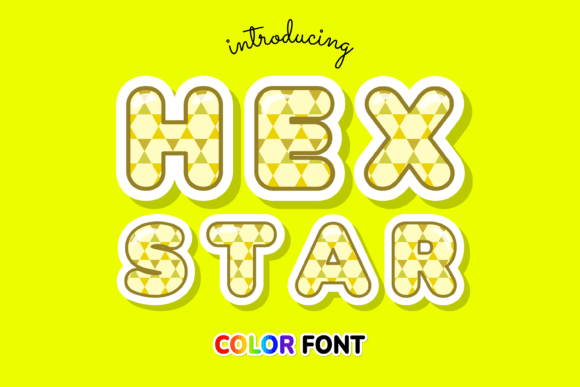
When you scan a landing page, what makes you stop? Often it is not the layout or the imagery alone—it is the type. A well-chosen typeface sets the emotional tone before a single word is read. For web designers and digital product creators who want to inject personality into every pixel, Hex Star offers something rare: a color font that feels both playful and polished. Unlike standard fonts that rely on solid black or white, Hex Star brings built-in color variation directly into the glyphs, making it an immediate visual anchor in any digital composition.
As a color font, Hex Star works differently from traditional vector fonts. Each character contains embedded color information, so you get multicolored letterforms without layering multiple text objects or applying gradients in your design tool. This means faster rendering in supported applications and a cleaner workflow for busy designers. Whether you are building a brand kit for a boutique online store or designing hero headers for a creative portfolio, Hex Star delivers impact with minimal effort.
The Visual Character of Hex Star in Modern Web Contexts
Hex Star has a distinctive personality that sits somewhere between geometric structure and handcrafted charm. The letterforms feel contemporary without being overly trendy, which is a difficult balance to strike. The color palette embedded in the font tends toward vibrant but not overwhelming—think accents that draw the eye without competing with surrounding content. This makes Hex Star a strong candidate for brands that want to communicate creativity, warmth, and approachability.
From a digital design perspective, the font works especially well in scenarios where you need to establish mood quickly. A landing page for a coaching website, for example, can use Hex Star in the main heading to signal a friendly, human-centered brand identity. The color embedded in the type reduces the need for additional decorative elements, allowing the headline to carry the emotional weight of the page. This aligns well with modern minimalist web design, where every element must earn its place.
When evaluating typeface options for a project, I always consider how the font behaves at different sizes and in different contexts. Hex Star holds up surprisingly well at medium to large sizes, which makes it ideal for section headings, call-to-action buttons, and short promotional phrases. The color detail becomes more apparent as the size increases, so using it sparingly in hero titles or accent text maximizes its visual return.
Hero Sections and Landing Page Headlines
The hero section is the first thing a visitor sees. It has roughly three seconds to communicate value and tone. Using Hex Star here can be a smart move if your brand voice leans creative or unconventional. The color embedded in the type acts as a visual hook, especially on clean backgrounds where the font becomes the primary graphic element. Pair it with a simple sans serif font for the subheading or supporting copy, and you create clear visual hierarchy without extra ornamentation.
Call-to-Action Buttons and Short Prompts
Buttons are functional, but they do not have to be boring. Using Hex Star for button text—particularly on hover states or in hero CTAs—adds a layer of brand personality that standard system fonts cannot match. Because the font is a color font, the button text automatically carries visual interest, which can improve click-through rates on product landing pages and online store banners. Keep the button background simple so the type remains legible and distinct.
Online Shop Banners and Promotional Graphics
E-commerce sites rely on banners to announce sales, new arrivals, or seasonal collections. Hex Star works well in these contexts because the color variation mimics the visual energy of a sale or launch without requiring additional graphic elements. A short phrase like "New Collection" or "Limited Edition" set in Hex Star becomes a self-contained design asset. This reduces production time for social media graphics and email headers while maintaining a consistent brand identity across channels.
Readability, Responsiveness, and Real-World Web Performance
Any display font needs to be evaluated carefully for digital use, especially on mobile screens. Hex Star performs best at medium to large sizes—think 30 pixels and above for headings. At smaller sizes, the color detail can become less distinct, and legibility may drop on low-resolution screens. For body text, secondary information, or small navigation labels, I recommend pairing Hex Star with a clean sans serif font such as Inter, Open Sans, or Work Sans. This keeps the reading experience comfortable while allowing the decorative font to shine in prominent positions.
When using Hex Star on dark backgrounds, the embedded colors tend to pop beautifully, especially if the background is a deep neutral or muted tone. On light backgrounds, the font retains its character but may require slightly larger sizing to ensure the color detail is visible. For image overlays, place Hex Star on a semi-transparent dark strip or a colored box to maintain contrast and readability. Testing the font in your actual layout—on real devices—is always the best approach before committing to a design.
Font Pairing: Building a Cohesive Typography System with Hex Star
Every premium font works best within a thoughtful typographic system. Hex Star, as a decorative display font, should be treated as the accent voice in a larger family of typefaces. Here are pairing strategies that work well in digital product design:
- Hex Star + a neutral sans serif: Use Hex Star for main headings and a simple sans serif like Montserrat, Poppins, or DM Sans for body copy, buttons, and navigation. This combination offers strong contrast and keeps the layout professional.
- Hex Star + a serif font for editorial tone: If your brand identity leans sophisticated or editorial, pair Hex Star with a serif font such as Merriweather, Playfair Display, or IBM Plex Serif. Use the serif for body paragraphs and the Hex Star for pull quotes, chapter titles, or hero text.
- Hex Star + a script font for accent: For more playful brand identities—such as a creative portfolio or a children's product store—Hex Star can be paired with a subtle script font or handwritten type for secondary accents. Use script sparingly to avoid visual clutter.
The key is to let Hex Star do the heavy lifting in terms of personality. The supporting typeface should be restrained and highly legible, allowing the color font to remain the visual focal point without competing with other styled text.
Creative Portfolio Website
For a designer or photographer's portfolio, Hex Star can be used in the site title, project category headings, and the "About" page header. The embedded color adds a bespoke feel that aligns with creative work. Pair with a minimalist sans serif font for project descriptions and contact information. The result is a site that feels curated without being cluttered.
Boutique Online Store
A small fashion or home goods store can use Hex Star in product collection headers, sale banners, and email newsletter headings. The font's personality communicates a handpicked, artisanal quality that supports brand storytelling. Use a clean sans serif for product titles and pricing to maintain readability during the shopping experience.
Coaching or Course Landing Page
Coaching websites and course sales pages benefit from warmth and approachability. Hex Star in the hero headline sets a friendly tone. Subheadings and bullet points in a simple serif or sans serif font keep the content skimmable. This combination supports both emotional connection and information delivery, which is critical for conversion-focused layouts.
Blog Header and Social Graphics
For bloggers and content creators, Hex Star can unify blog post titles, social media quote cards, and YouTube thumbnail text. Using the same color font across platforms strengthens visual brand recognition. Keep body copy in a standard web font to preserve readability on long-form content.
What to Check Before Using Hex Star in Your Projects
Before integrating Hex Star into a client website or a digital product, verify the included file formats and any technical requirements. Color fonts often use OpenType-SVG or COLR/CPAL formats, which are supported in modern browsers and design software but may require fallback fonts for older systems. Confirm that your web hosting environment or platform supports color font rendering, especially if you plan to use it directly in CSS via @font-face.
Check the number of styles and weights included. Some color fonts offer a single weight with stylistic alternates, while others provide multiple cuts. If your design calls for varied hierarchy, knowing the font's range helps you plan the typographic system in advance. Also review language support if your audience includes multilingual readers—not all decorative fonts cover extended character sets.
Commercial Licensing and Usage Considerations
When using Hex Star in client projects, online stores, landing pages, or digital brand assets, always review the commercial font license that comes with your purchase. Some color fonts restrict usage in certain contexts, such as app interfaces, broadcast, or resale of digital templates. Ensure the license covers web embedding, client deliverables, and any e-commerce applications you plan to use. If you are building brand identity systems for multiple clients, a license that allows multi-project use can save time and legal hassle down the road.
Using a premium font like Hex Star properly also protects your professional reputation. Clients appreciate designers who respect licensing and can explain why a particular typeface was chosen. Including the license cost in your project estimate is a standard practice that reflects the value of well-crafted design assets.
Hex Star as a Brand Identity Asset
Beyond individual projects, Hex Star can become a defining element of a brand's visual language. Its built-in color and distinctive character make it a strong candidate for logos, wordmarks, and branded social media templates. When used consistently across a website, email newsletters, and digital ads, the font builds recognition and reinforces brand tone. This is especially valuable for small businesses and creative entrepreneurs who want a memorable identity without commissioning custom lettering.
Because Hex Star is a color font, it simplifies the production of consistent branded materials. You do not need to recreate gradient effects or color overlays for every asset—the font carries the color for you. This efficiency matters when producing multiple assets for a campaign, a product launch, or a seasonal promotion.
In summary, Hex Star is a versatile and visually engaging typeface that brings warmth, color, and personality to digital design. Used strategically in headings, CTAs, and accent text, it supports readability, visual hierarchy, and brand consistency. For web designers, UI designers, and digital product creators looking for a creative font that performs in real layouts, Hex Star is a worthwhile addition to your design toolkit. Test it in your next landing page or brand kit, and let the color do the talking.